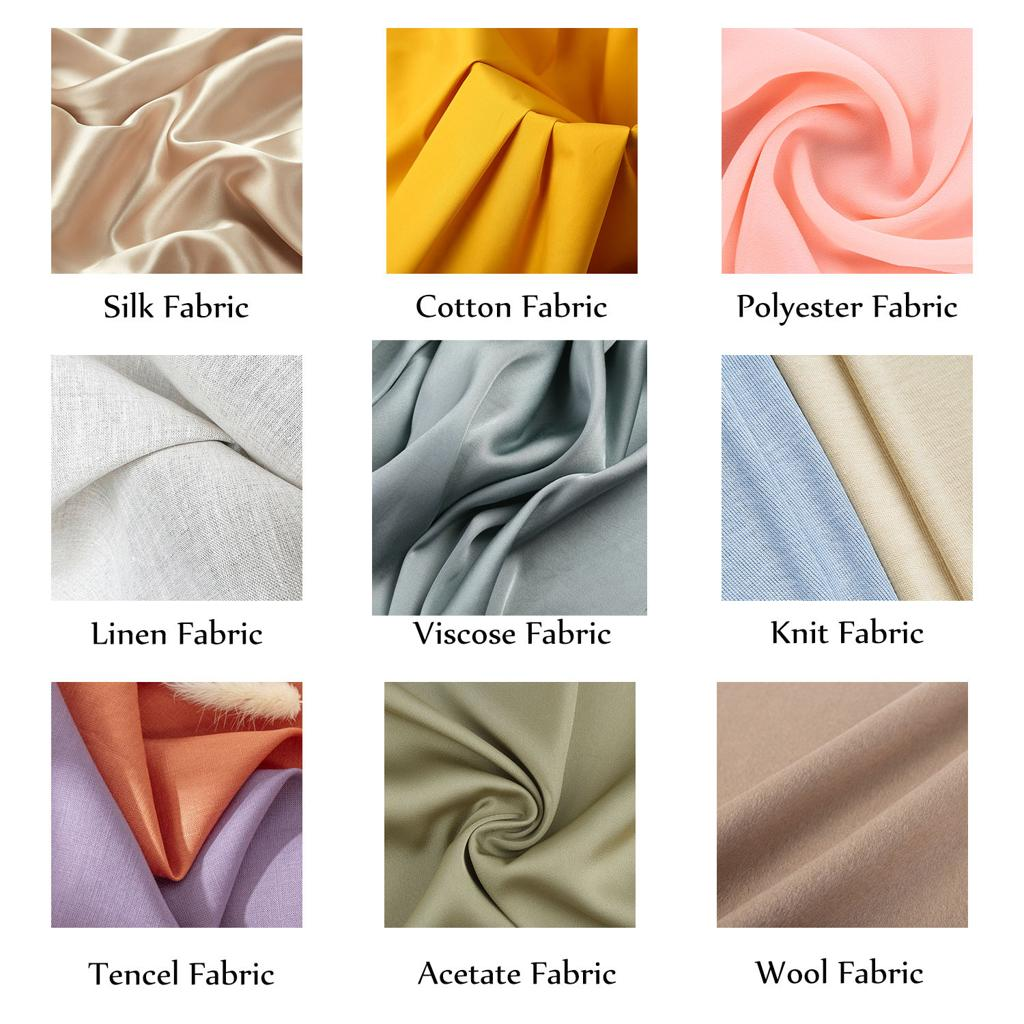
Fabric is one of the most important parts of any garment. The right fabric can make clothing feel comfortable, breathable, durable, stylish, and suitable for a particular season. On the other hand, choosing the wrong material can make even a beautiful outfit uncomfortable or difficult to maintain.
From everyday cotton T-shirts to elegant silk dresses, warm wool sweaters, durable denim jeans, and performance-focused polyester clothing, every fabric has its own characteristics. Understanding the types of fabrics can help you make better choices when shopping for clothes, designing garments, or selecting textiles for your wardrobe.
Fabrics can broadly be grouped into natural, synthetic, regenerated, and blended materials. Their performance depends not only on the fiber itself but also on how the fabric is woven or knitted, its weight, finishing, and construction.
In this guide, let’s explore some of the most popular fabrics and understand where each one works best.
1. Cotton Fabric
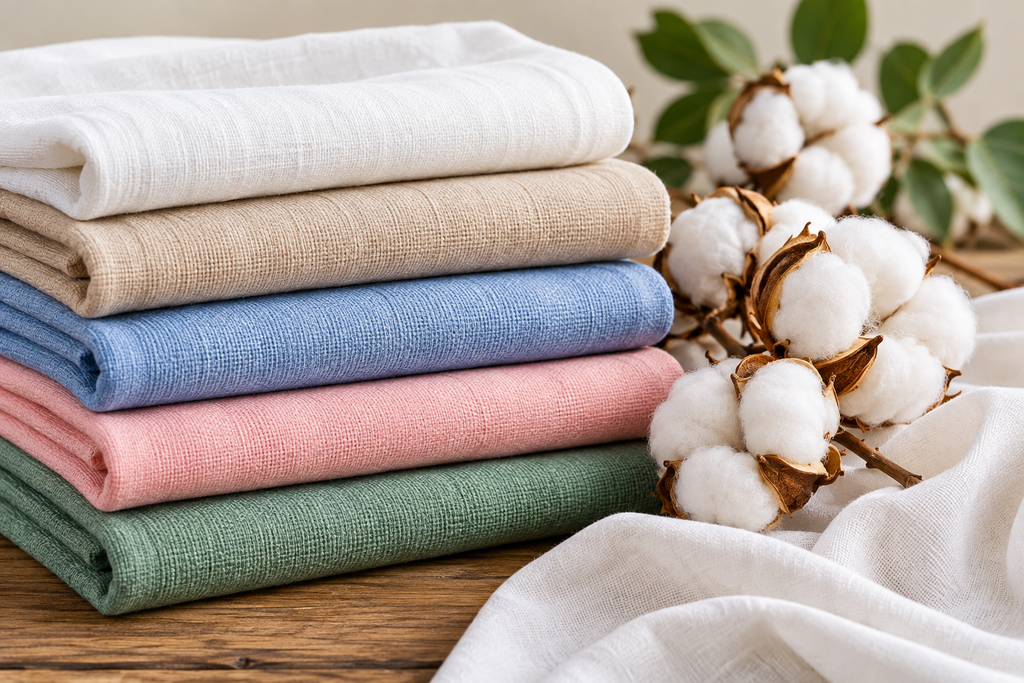
Cotton is one of the most widely used fabrics in clothing. It comes from the cotton plant and is appreciated for its softness, breathability, and versatility.
Cotton can be used for T-shirts, shirts, dresses, trousers, underwear, casual wear, and many other garments. It absorbs moisture and is generally comfortable against the skin, making it a popular choice for everyday clothing and warm-weather outfits.
Why Choose Cotton?
-
- Soft and comfortable
-
- Breathable
-
- Absorbent
-
- Easy to dye
-
- Suitable for everyday clothing
-
- Available in many weights and textures
Cotton can wrinkle more easily than some synthetic fabrics and may shrink depending on the construction and care method. Therefore, checking the garment’s care instructions is important.
2. Linen Fabric
Linen is a natural fabric made from flax fibers. It is particularly popular for warm-weather clothing because of its lightweight feel, breathability, and natural texture.
Linen shirts, trousers, dresses, jackets, and summer suits can create a relaxed yet sophisticated appearance. Its characteristic texture also gives garments a natural and premium look.
One thing to remember is that linen tends to crease more easily than many other fabrics. For some styles, these natural wrinkles are actually part of the fabric’s appeal.
Best Uses for Linen
Linen works particularly well for:
-
- Summer shirts
-
- Casual trousers
-
- Dresses
-
- Resort wear
-
- Lightweight jackets
-
- Summer suits
3. Silk Fabric
Silk is a natural protein fiber known for its smooth texture, elegant appearance, and beautiful drape. It is commonly associated with premium and occasion-based clothing.
Silk can be found in dresses, blouses, scarves, formal garments, and other fashion pieces where a luxurious appearance is desired.
Because silk can require more careful handling than everyday fabrics, always follow the care instructions provided with the garment.
Benefits of Silk
Silk offers:
-
- A smooth and soft feel
-
- Elegant natural shine
-
- Excellent drape
-
- A lightweight sensation
-
- A premium appearance
Its refined look makes it especially popular for eveningwear and special occasions.
4. Wool Fabric
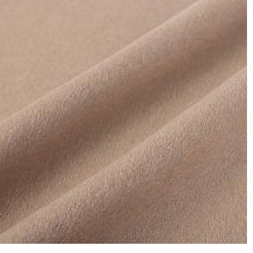
Wool is a natural animal fiber commonly obtained from sheep. It is well known for warmth and insulation, making it a popular choice for colder weather.
Wool can be used for sweaters, coats, suits, trousers, scarves, and other winter garments. Its natural structure helps trap air, which contributes to its insulating properties.
Different types of wool can have very different textures and weights. Fine wool can feel soft and lightweight, while heavier wool fabrics can provide greater warmth.
Where Is Wool Best Used?
Wool is commonly used for:
-
- Winter sweaters
-
- Coats
-
- Formal suits
-
- Trousers
-
- Scarves
-
- Jackets
For wool garments, proper washing and storage are important to maintain their shape and appearance.
5. Polyester Fabric
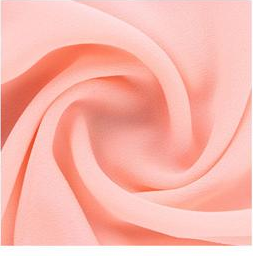
Polyester is a synthetic fabric widely used in modern clothing. It is valued for properties such as durability, wrinkle resistance, quick drying, and shape retention.
Polyester is commonly found in sportswear, activewear, outerwear, casual clothing, and fabric blends. It can also be combined with natural fibers to create materials that balance comfort and durability.
Advantages of Polyester
-
- Durable
-
- Quick drying
-
- Wrinkle resistant
-
- Holds its shape well
-
- Suitable for performance clothing
-
- Easy to maintain
Polyester blends can be particularly useful when manufacturers want to combine the characteristics of different fibers.
6. Denim Fabric
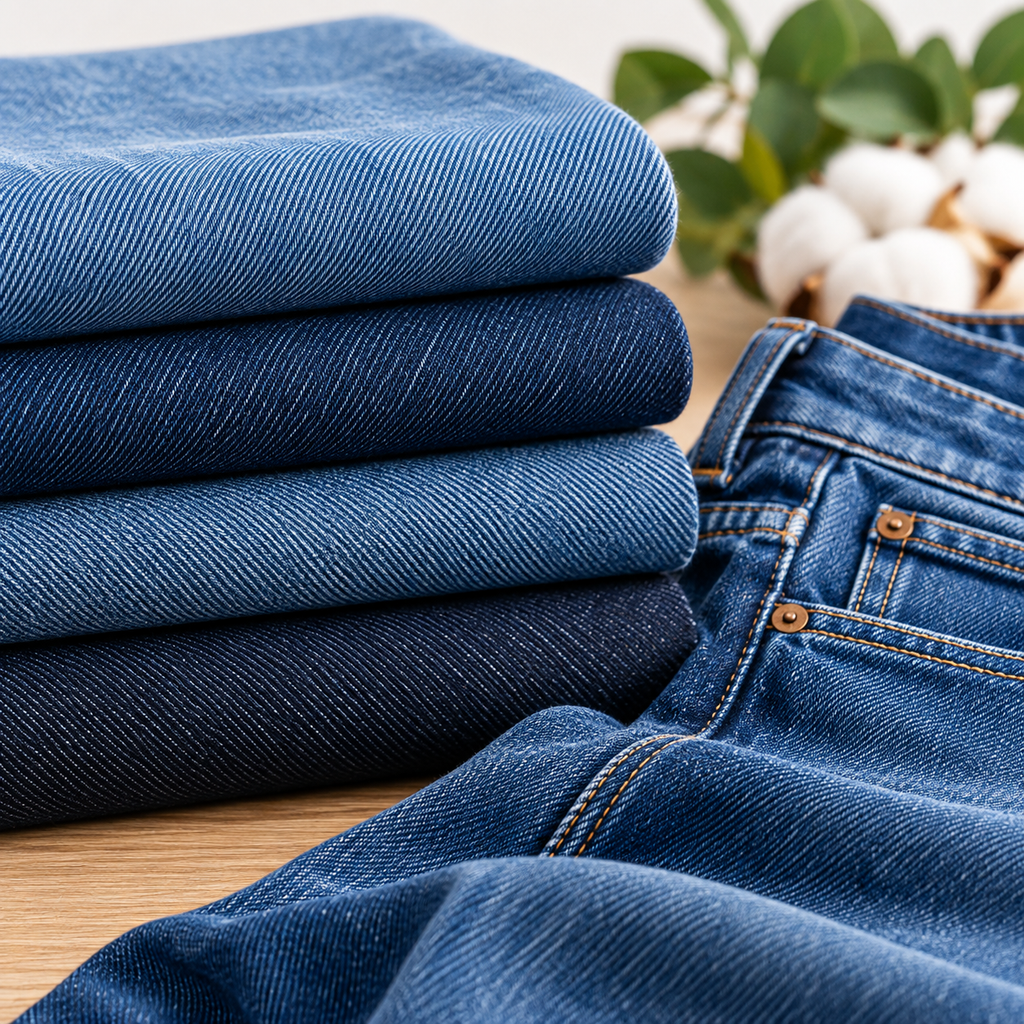
Denim is a durable cotton-based fabric traditionally made using a twill construction. It is best known for jeans but is also used for jackets, skirts, shirts, dresses, and other casual garments.
Denim comes in different weights, washes, colors, and finishes. Lightweight denim can be comfortable for shirts and summer garments, while heavier denim is often selected for jeans and jackets.
Why Is Denim Popular?
Denim is popular because it combines:
-
- Durability
-
- Casual style
-
- Versatility
-
- Easy coordination
-
- Long-term wear potential
A good denim garment can become a reliable wardrobe staple when cared for properly.
7. Rayon and Viscose Fabric
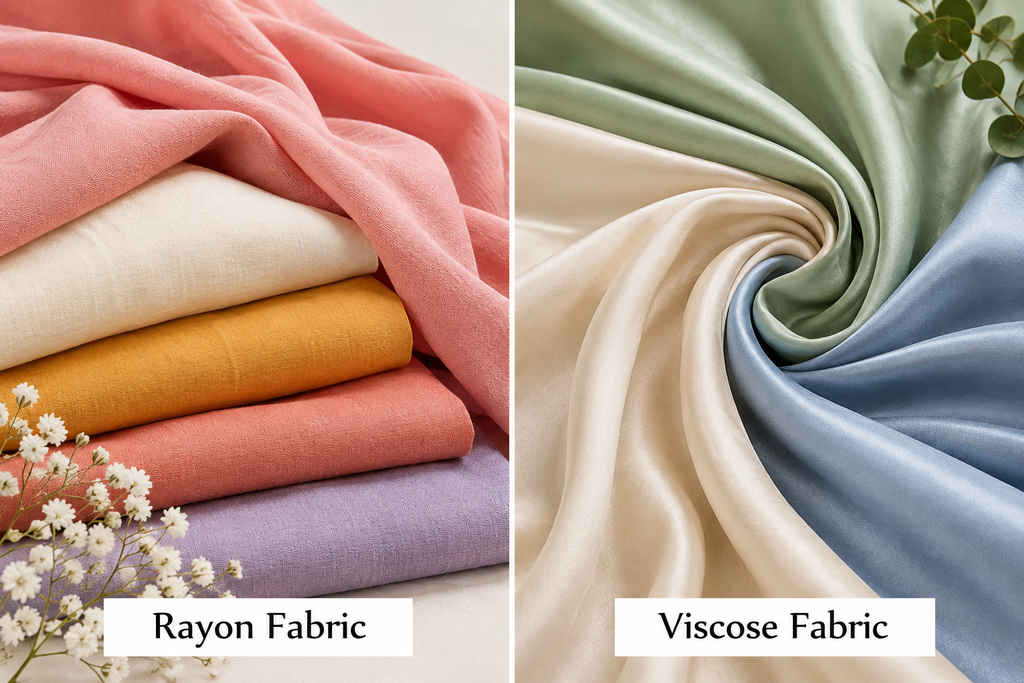
Rayon and viscose are regenerated cellulose-based materials. They are often appreciated for their soft feel, fluid drape, and ability to create garments with a smooth appearance.
These fabrics are frequently used for dresses, blouses, skirts, and lightweight fashion garments. Their drape can make them particularly attractive for flowing silhouettes.
Common Characteristics
-
- Soft hand feel
-
- Smooth appearance
-
- Good drape
-
- Lightweight options
-
- Suitable for flowing garments
Care requirements can vary, so it is important to follow the specific instructions for the finished garment.
8. Satin Fabric
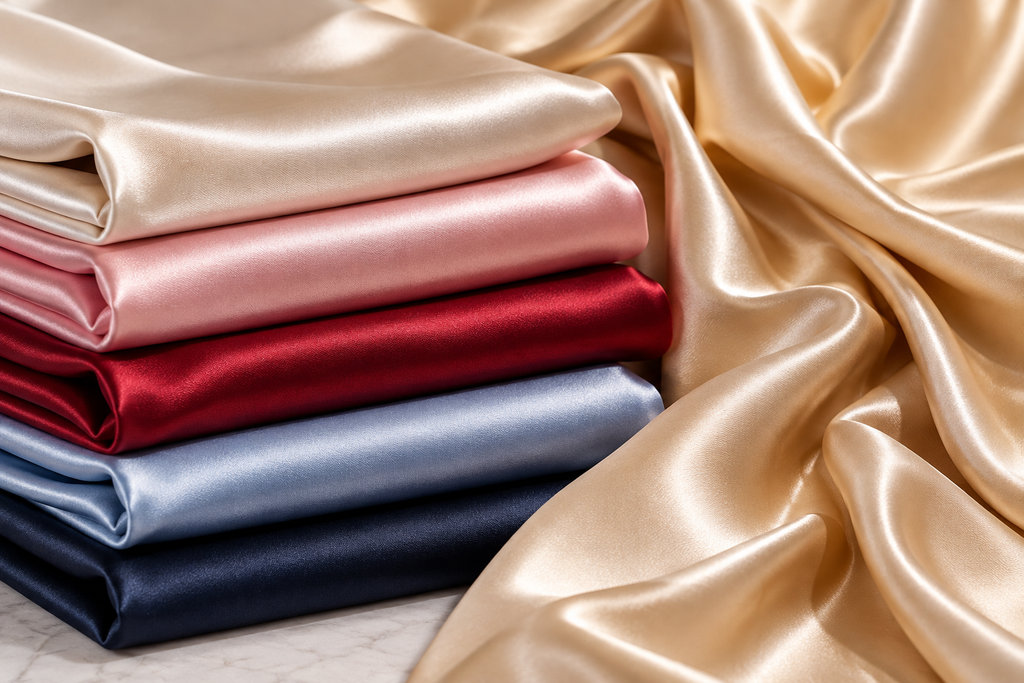
Satin is known for its smooth surface and glossy appearance. Importantly, satin describes a type of weave rather than one specific fiber, so satin fabrics can be produced using different fibers.
Its polished appearance makes satin popular for evening dresses, blouses, robes, accessories, and occasion wear.
Satin Is Ideal For
-
- Party dresses
-
- Eveningwear
-
- Blouses
-
- Fashion accessories
-
- Robes
-
- Decorative garments
Because satin has a smooth surface, proper handling and care can help preserve its appearance.
How to Choose the Right Fabric
Choosing the right fabric should depend on more than appearance. Before purchasing or selecting a textile, consider the purpose of the garment, climate, comfort, durability, fit, maintenance, and overall style.
For hot weather, lightweight and breathable options such as cotton and linen are commonly preferred. For colder conditions, wool and heavier fabrics can provide greater insulation. For activewear, synthetic materials such as polyester and nylon are often selected for durability and quick-drying performance.
You should also consider the fabric’s weight and construction. Two garments made from the same fiber can feel completely different depending on their weave, knit, thickness, and finishing.
Natural Fabrics vs Synthetic Fabrics
Natural fabrics such as cotton, linen, silk, and wool originate from plant or animal fibers. They are often selected for their comfort, texture, and distinctive natural characteristics.
Synthetic fabrics such as polyester and nylon are engineered to provide properties such as durability, stretch, quick drying, and wrinkle resistance.
Neither category is automatically suitable for every situation. The best fabric depends on what you need the garment to do.
Why Fabric Quality Matters
Fabric quality can influence the comfort, appearance, durability, and overall performance of clothing. Fiber content is an important starting point, but it is not the only factor.
Fabric weight, fiber quality, yarn construction, weave or knit, finishing, and garment construction can all affect the final result.
This is why reading the fabric composition and care label before buying clothing can be useful. A composition such as “100% cotton” tells you the fiber content, while a blend such as cotton-polyester tells you that multiple fibers have been combined to achieve particular characteristics.
Final Thoughts
Understanding different types of fabrics makes it easier to choose clothing that matches your lifestyle, climate, comfort requirements, and personal style.
Cotton is a versatile everyday option, linen is excellent for lightweight warm-weather clothing, silk brings an elegant finish, wool provides warmth, polyester offers durability and easy maintenance, denim delivers strength and casual style, while rayon and satin can create beautiful drape and sophisticated looks.
At Syncloth, understanding fabric is an important part of appreciating quality clothing. The right material doesn’t simply affect how a garment looks—it influences how it feels, moves, performs, and lasts.
Next time you shop for clothing or select fabric for a garment, take a moment to look beyond the color and design. Check the material, construction, weight, comfort, and care requirements. Choosing the right fabric can make a significant difference to your overall clothing experience.
Leave a Reply